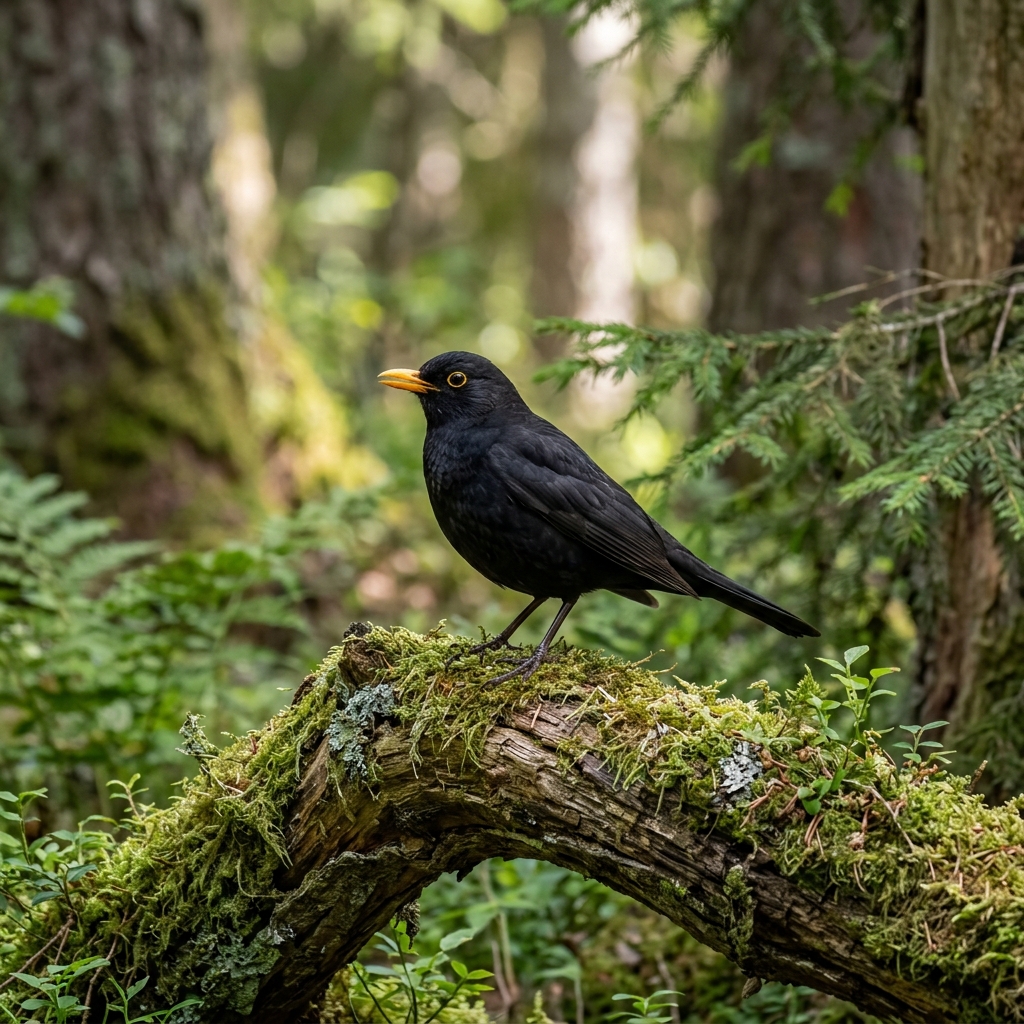
Europe's rarest woodpecker — found only in ancient, dead-wood-rich forest; the small Swedish population is the focus of intense conservation in Värmland's nature reserves.
The world's largest grouse — males display at traditional lek sites in Swedish boreal forest in April, producing extraordinary popping and gurgling sounds during the brief daylight hours.
Hornborga Lake hosts one of Europe's greatest spectacles — up to 20,000 dancing cranes in March as they stage before departing north, with the lake visible from dedicated observation towers.
Males gather at traditional lek sites in wet meadows — the extraordinary rapid wing-clicking and white tail spots displayed in May are best witnessed in Sweden's mountain meadow regions.
Europe's largest owl with a 1.8 m wingspan — responds to playback on winter evenings from rocky outcrop habitat; Sweden has a healthy population that has expanded in recent decades.
A bold, curious jay of the boreal taiga that approaches campers and birdwatchers readily — its soft piping calls and rusty-orange tail are the signature of Swedish old-growth forest.
Sweden is a major breeding and staging ground — bugling flocks stage on Kvismaren and Hornborga Lake in spring and autumn migration.
A spectacular winter visitor from Arctic breeding grounds — the pale and dark morphs hover above Swedish farmland hunting voles, with the dark belly patch diagnostic in flight.
Ready to Bird Sweden?
Use our smart trip planner to get a custom itinerary — best hotspots, species targets, and seasonal timing tailored to your visit.