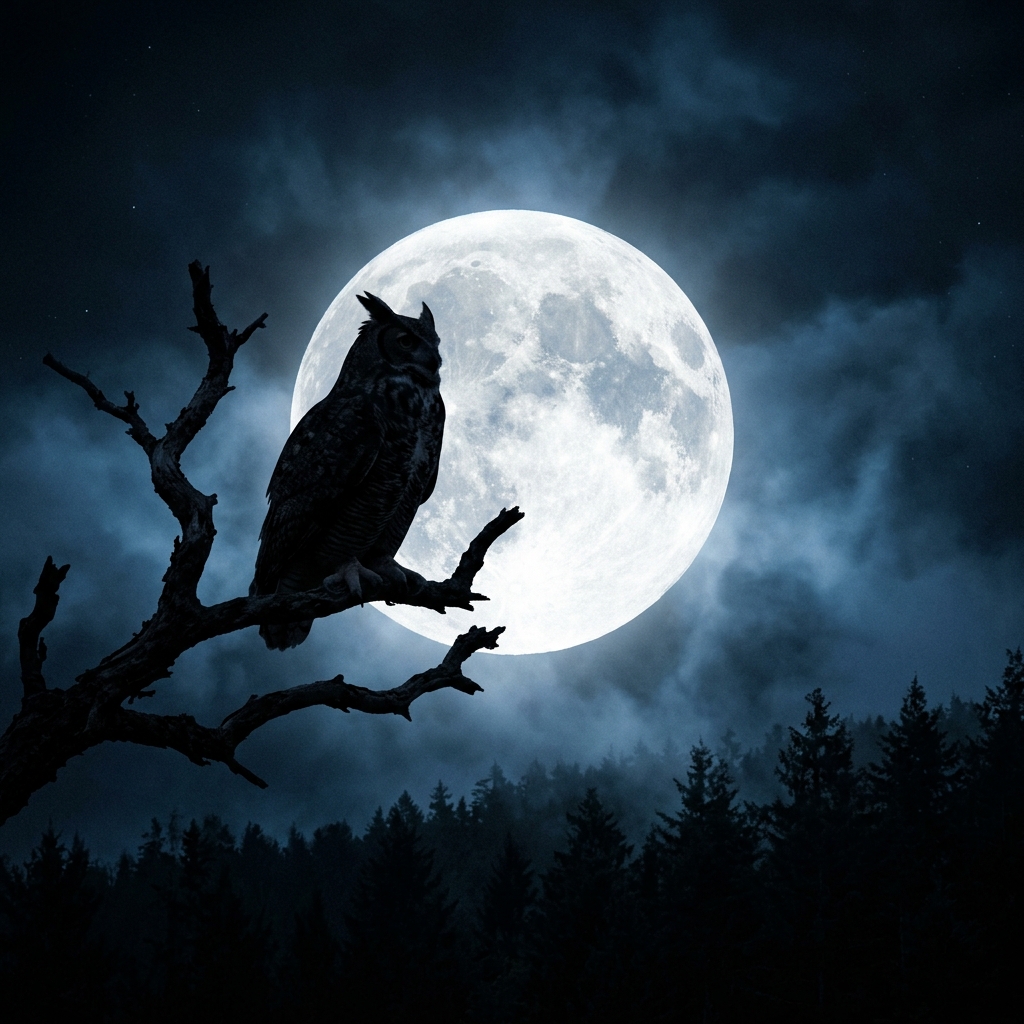
The Appeal of Owling
Owls are among the most sought-after birds on any birder's list. Their nocturnal habits, haunting vocalizations, and air of mystery make every encounter feel special. But finding owls requires a different approach than daytime birding — you're working with sound, not sight, and the rules of engagement are different.
When to Look for Owls
Best Seasons
- Late winter (January – March): Peak calling season for most owl species in North America. Males are establishing territories and attracting mates. This is the single best window for finding owls.
- Early fall (September – October): Young owls dispersing from natal territories often call as they establish new ranges.
- Year-round: Some species (Great Horned Owl, Barred Owl) can be heard sporadically throughout the year.
Best Times of Night
- Dusk (30 minutes before to 60 minutes after sunset): Many species begin calling at dusk while some light remains, making visual detection possible.
- Pre-dawn (60-30 minutes before sunrise): A second peak of calling activity.
- Deep night (midnight – 3:00 AM): Some species (Barn Owl, Long-eared Owl) are most vocal during this window.
How to Find Owls
1. Learn the Calls
Before going out, learn the calls of the 3-5 owl species in your region:
- Great Horned Owl: Deep "Hoo-hoo-hoo HOOOOO hoo-hoo" — the classic owl hoot
- Barred Owl: "Who cooks for you? Who cooks for you-all?" — distinctive 8-note rhythm
- Eastern Screech-Owl: Descending whinny or steady trill — like a horse whinny
- Barn Owl: Bone-chilling raspy shriek — nothing like a "hoot"
- Great Gray Owl: Low, slow, evenly spaced "hoo... hoo... hoo" (10-12 notes)
- Northern Saw-whet Owl: Monotonous "toot-toot-toot-toot" (120-160 times per minute)
2. Choose the Right Habitat
- Great Horned Owl: Forest edges, parks, suburban woodlands
- Barred Owl: Mature deciduous or mixed forest near water
- Screech-Owls: Suburban neighborhoods with mature trees, parks, orchards
- Barn Owl: Open farmland, grasslands, marshes with old buildings or nest boxes
- Short-eared Owl: Open grasslands, marshes, airports (dusk hunter — visible in flight)
3. Look for Sign
During the day, scout for evidence of owl presence:
- Pellets: Compressed balls of fur, bones, and feathers regurgitated below roost trees
- Whitewash: Owl droppings (chalky white streaks) on tree trunks and branches below
- Mobbing behavior: If you hear a flock of crows, jays, or chickadees mobbing something, it's often a roosting owl
- Cavities: Screech-owls roost in tree cavities and sometimes sun themselves at the entrance during warm winter afternoons
4. Ethical Calling
Playback (playing recorded owl calls) can attract owls but must be used responsibly:
Rules:
- Never use playback in breeding season (March – July) — it can disrupt nesting
- Never use playback near known nest sites
- Limit playback to 5 minutes maximum per species per location
- If an owl responds, stop playback immediately
- If the owl approaches and appears agitated, leave the area
- Never publicize the exact location of rare owl species (particularly Great Gray, Snowy, or Boreal Owl)
Equipment for Owling
| Item | Purpose |
|---|---|
| Red/dim headlamp | Preserves night vision; less disruptive than white light |
| Parabolic microphone or Merlin app | Amplifies and identifies distant calls |
| Warm layers | You'll be standing still in the cold for extended periods |
| Thermos with hot drink | Comfort on cold winter nights |
| Binoculars (large objective lens) | 8x42 or 10x50 for maximum light gathering at dusk |
| Camera: fast lens (f/2.8) | If photography is a goal; ISO 6400+ capability essential |
Top Owling Destinations
- Sax-Zim Bog, Minnesota: Great Gray Owl, Northern Hawk Owl, Boreal Owl in winter
- Amherst Island, Ontario: Short-eared Owl, Snowy Owl (winter irruption years)
- Davis Mountains, Texas: Elf Owl (summer), Flammulated Owl, Western Screech-Owl
- Boundary Waters, Minnesota: Boreal Owl, Northern Saw-whet Owl
- UK: Norfolk coast: Barn Owl quarters over marshes at dusk year-round
Find your perfect birding location next
Use our smart planner to discover the best spots matched to your experience level and the birds you want to see.