Best Camera for Bird Photography 2025
HomeGearBudget Bridge vs APS-C Mirrorless vs Full-Frame Pro
📸 Camera · Gear Guide

Best Camera for Bird Photography 2025

From budget point-and-shoots to pro flagships — ranked by real-world results.

Best value in 2025
Canon EOS R7

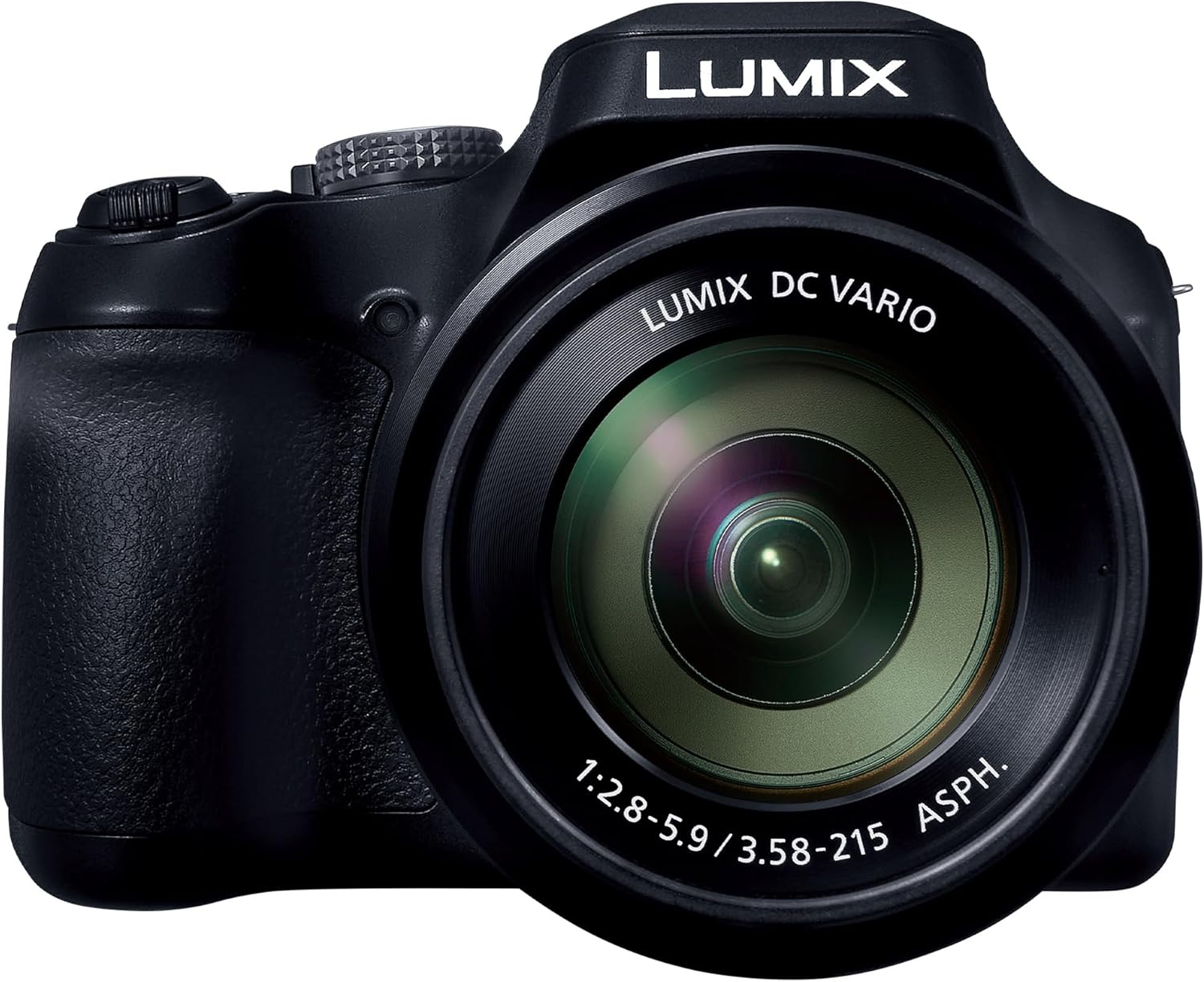
Quick verdict: The Canon EOS R7 remains the best-value bird photography camera in 2025 for APS-C shooters. The Sony A9 III is the undisputed pro choice. For budget buyers, the Panasonic FZ300 bridge camera offers a compelling all-in-one package without interchangeable lenses.

Head-to-Head Comparison

FeatureBudget BridgeAPS-C MirrorlessFull-Frame Pro
Example CameraPanasonic LUMIX FZ300Canon EOS R7Sony A9 III
Sensor Size1/2.3" (small)APS-C (crop)Full-Frame (36×24mm)
Megapixels12.1 MP32.5 MP24.6 MP
AF SystemContrast-detectAI Dual Pixel CMOS AFAI Phase-detect (global shutter)
Burst Rate10 fps30 fps (mechanical)120 fps (electronic)
Zoom / Reach24x built-in (600mm equiv)Requires telephoto lensRequires telephoto lens
Video4K (cropped)4K 60p4K 60p + 6K oversampled
Price (body)~$500~$1,499~$5,999
Total system cost~$500 (all-in)~$2,500–$5,000+~$10,000+

Pros & Cons

Budget Bridge Cameras
✓ Pros
  • +All-in-one — no separate lenses needed
  • +Lightweight and easy to carry
  • +Affordable entry into bird photography
  • +24x–83x superzoom reaches distant birds
✗ Cons
  • Small sensor — noise at ISO 800+
  • AF tracking inferior to interchangeable lens cameras
  • Limited upgrade path
APS-C Mirrorless (Best Value)
✓ Pros
  • +AI bird/animal detection AF — genuine game-changer
  • +1.6× crop multiplier extends effective reach of every lens
  • +Future-proof — active development platform in 2025
  • +30fps+ burst rate captures every wing position
✗ Cons
  • Requires separate telephoto lens — adds significant cost
  • Heavier than bridge camera system
Full-Frame Pro
✓ Pros
  • +Global shutter (Sony A9 III) eliminates rolling shutter completely
  • +120fps electronic burst essentially guarantees no missed frame
  • +Best low-light performance of any format
  • +Professional-grade weather sealing
✗ Cons
  • Very high system cost — body + lens typically $12,000+
  • Heavy — 2–3kg full system is fatiguing in the field
  • Overkill for 99% of birders

Which Should You Choose?

The right choice depends heavily on where and how you bird. Here's our scenario-by-scenario guidance:

Complete beginner, limited budget
Panasonic FZ300 or Nikon P950
Bridge cameras remove the lens decision entirely and provide good reach for under $500.
Serious enthusiast — ready to invest
Canon EOS R7 + 100-500mm RF
The R7's AI AF delivers pro-level keeper rates; the RF 100-500 is an outstanding wildlife lens.
Professional wildlife photographer
Sony A9 III or Canon R5 Mark II
Global shutter, 120fps, and full-frame IQ are required for publication-quality results.
Travel birder — weight is a constraint
Sony ZV-E10 II or Fuji X-T5 + 150-600mm
APS-C systems weigh significantly less than full-frame without sacrificing reach.

Our Top Picks

As an Amazon Associate we earn from qualifying purchases. This helps keep AvianScope free.

Best Overall
Canon EOS R7 (Body)
~$1,499
View on Amazon →
Budget All-in-One
Panasonic LUMIX FZ300
~$497
View on Amazon →
Best Bridge Camera
Nikon COOLPIX P950
~$699
View on Amazon →

Frequently Asked Questions

What focal length do I need for bird photography?+
A minimum of 400mm is recommended; 500–600mm is ideal. Budget shooters should look at the Tamron 150-500mm or Sigma 150-600mm — both deliver excellent results at reasonable cost.
Does megapixel count matter for bird photography?+
Less than you'd think. AF speed and burst rate matter far more for capturing birds in flight. A 24MP camera with excellent AF will outperform a 45MP camera with slow AF every time.
Is crop sensor better for bird photography?+
The 1.6× (Canon APS-C) or 1.5× (Nikon, Sony APS-C) crop factor multiplies the effective reach of every lens — so a 400mm lens becomes equivalent to 600–640mm. This is a genuine advantage for bird photography at reasonable cost.

Ready to Find Your Perfect Birding Spot?

Use our trip planner to match the right habitat to your new gear — hotspots, seasonal timing, and species targets all in one place.

Plan a Birding TripMore Gear Guides