8x42 vs 10x42 Binoculars for Birdwatching
HomeGear8x42 vs 10x42
🔭 Binoculars · Gear Guide

8x42 vs 10x42 Binoculars for Birdwatching

The single most-asked binocular question — answered for birders.

Best all-around
8x42

Quick verdict: For most birders, 8x42 is the better all-around choice — wider field of view, steadier image, and superior low-light performance. Choose 10x42 if you primarily bird open country, coasts, or grasslands where magnification matters more than FOV.

Head-to-Head Comparison

Feature8x4210x42
Magnification10×
Objective Lens Diameter42mm42mm
Exit Pupil5.25mm4.2mm
Typical Field of View~420 ft / 1000 yds~340 ft / 1000 yds
Low‑Light PerformanceExcellentGood
Image Shake (hand-held)MinimalNoticeable at 10×
Close Focus Distance~4 – 5 ft~6 – 8 ft
Weight (typical)~600 – 700g~620 – 720g
Best habitatForest, woodland, gardensCoast, grassland, open country

Pros & Cons

8x42
✓ Pros
  • +Wider field of view — easier to find and track birds
  • +Larger exit pupil (5.25mm) — brighter in dawn and dusk light
  • +More stable hand-held image — less fatigue in long sessions
  • +Better close focus for butterfly and insect ID too
  • +Preferred by guides and birding leaders for its versatility
✗ Cons
  • Less magnification for distant shorebirds or raptors
  • May feel underpowered at estuary watch points or hawk counts
10x42
✓ Pros
  • +25% more magnification than 8× — resolves fine detail at distance
  • +Better for IDing distant raptors, shorebirds, or seabirds
  • +Same physical size and weight as 8×
  • +Preferred at hawk watches, mudflats, and sea-watches
✗ Cons
  • Narrower field of view — harder to find fast-moving birds
  • Smaller exit pupil (4.2mm) — dimmer in low light
  • Image shake more noticeable — tiring in long sessions
  • Slightly harder to hold steady for users with tremor

Which Should You Choose?

The right choice depends heavily on where and how you bird. Here's our scenario-by-scenario guidance:

Forest & woodland warbler hunting
8x42
Wide FOV is essential when birds are close and darting through foliage.
Mudflat & estuary birding
10x42
Waders stand still; extra magnification resolves leg and bill colour at range.
Hawk watching / raptor migration
10x42
Raptors often soar at range; 10× helps pick out wing patterns and plumage.
Dawn chorus & early-morning birding
8x42
Larger exit pupil gathers more light — critical before sunrise.
General all-round use (first binocular)
8x42
More forgiving, easier to use — the learning curve is gentler with a wider FOV.
Pelagic seabird trips
10x42
Seabirds in flight at distance benefit from extra magnification; boat motion is less of an issue than on small craft.

Our Top Picks

As an Amazon Associate we earn from qualifying purchases. This helps keep AvianScope free.

Best Value 8x42
Vortex Diamondback HD 8x42
~$200
View on Amazon →
Best Value 10x42
Vortex Diamondback HD 10x42
~$200
View on Amazon →
Mid-Range Pick
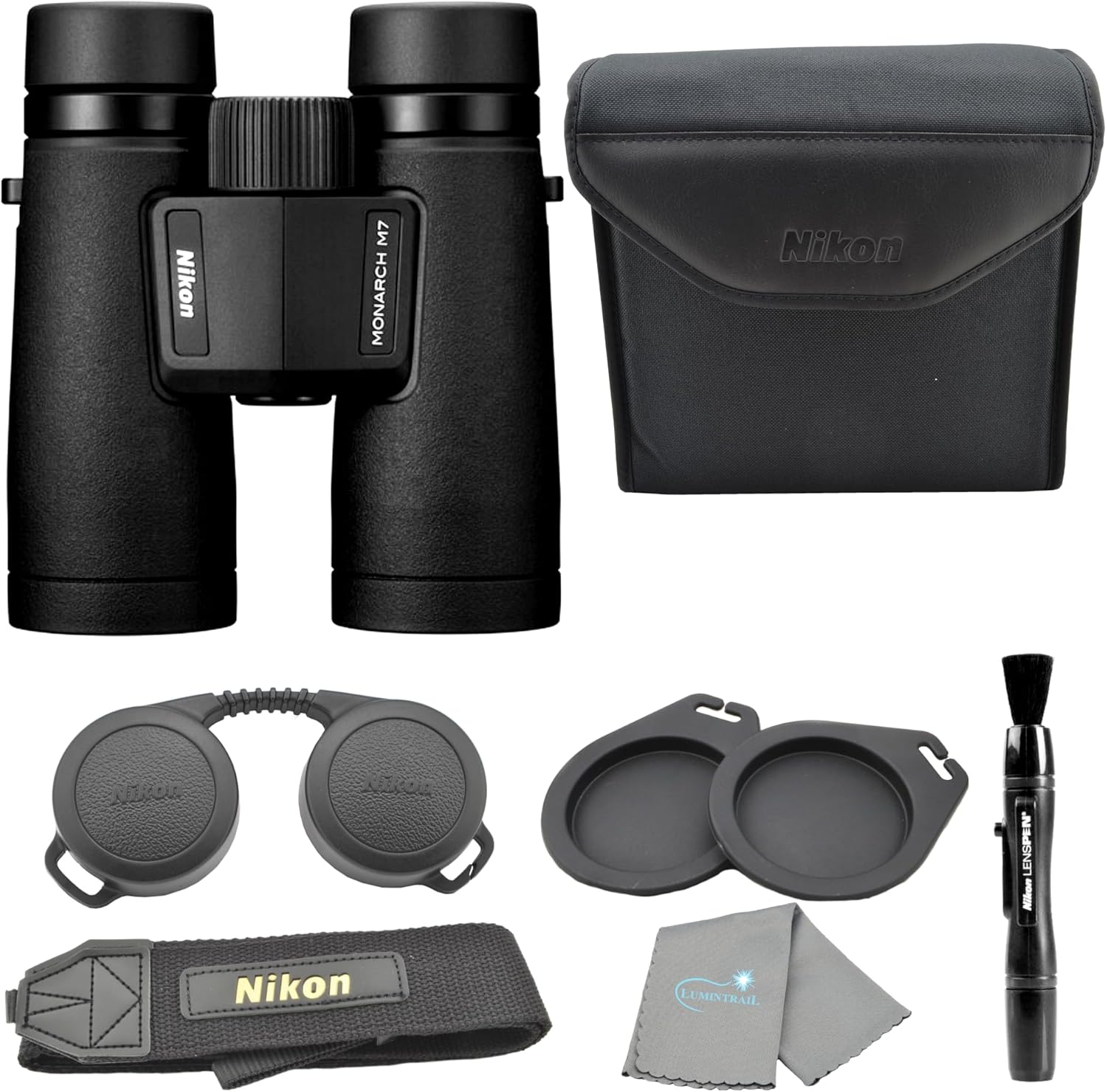
Nikon Monarch M7 8x42
~$380
View on Amazon →

Frequently Asked Questions

Is 8x or 10x better for beginner birders?+
8x is almost always recommended for beginners. The wider field of view makes finding birds dramatically easier, and the steadier image reduces frustration during the learning phase.
Can I use 10x42 binoculars for all birding?+
Yes — many expert birders use 10x42 exclusively. It requires a more disciplined hold and slightly more time to locate birds, but you adapt quickly.
What about 8x32 or 10x50?+
8x32 is lighter but dimmer. 10x50 gives more light than 10x42 but adds weight and bulk. The 42mm format is the sweet spot that most birders settle on.
Does magnification affect autofocus or diopter adjustment?+
No — all binoculars use manual focus. Higher magnification does narrow the depth of field, so you may need to focus more precisely with 10× than 8×.

Ready to Find Your Perfect Birding Spot?

Use our trip planner to match the right habitat to your new gear — hotspots, seasonal timing, and species targets all in one place.

Plan a Birding TripMore Gear Guides